One of the most common questions we get from businesses ordering custom printed materials for the first time is simple: which material should I actually use? It sounds like a small decision, but material choice affects durability, print quality, cost per unit, and even how premium the final product feels in a customer's hands. Choosing the wrong material for the wrong application is one of the most avoidable mistakes a growing business can make.
This guide breaks down the most common printing materials used across packaging, stickers, tags, and promotional products, and explains which situations each one is actually built for.
Kraft Paper: The Practical, Natural Choice
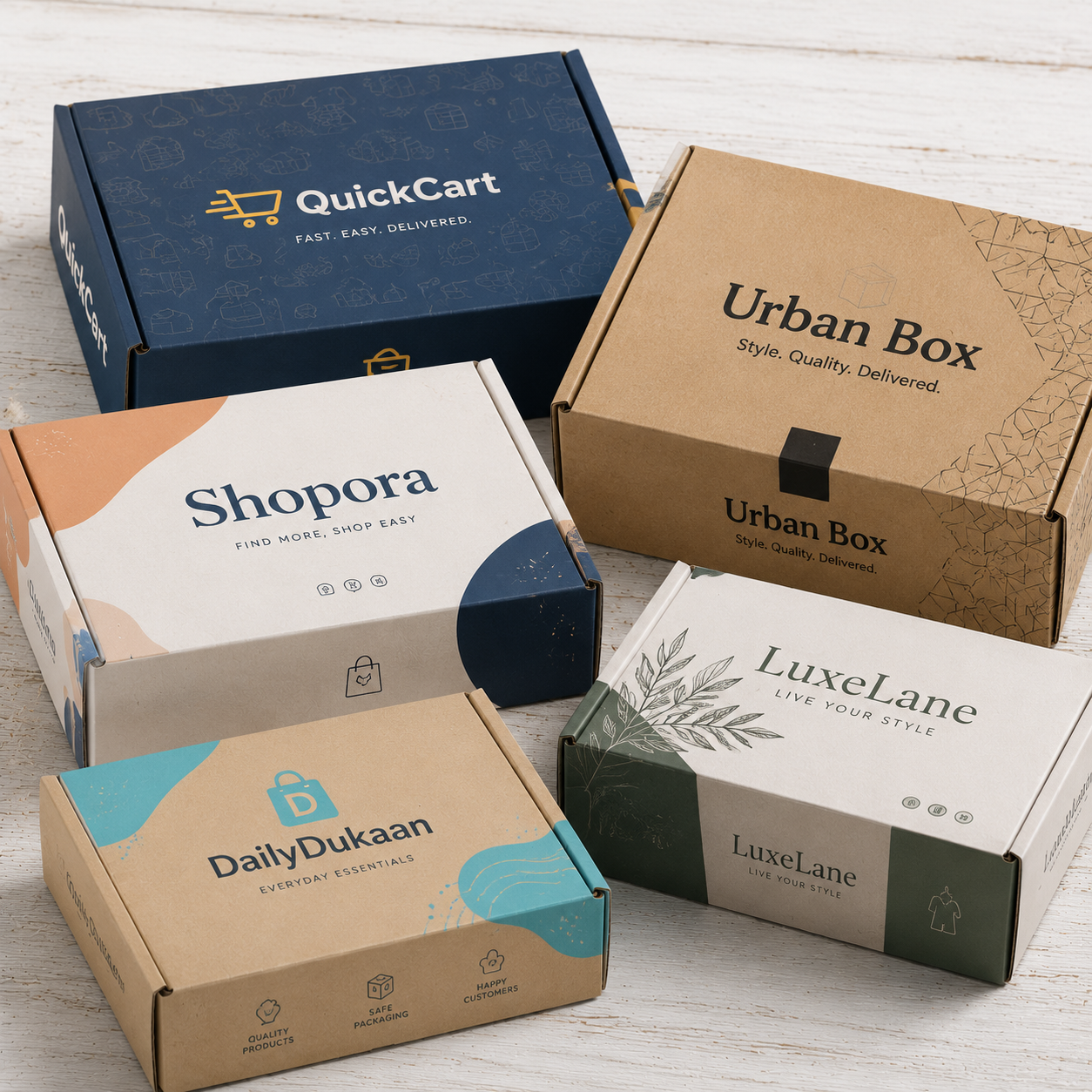
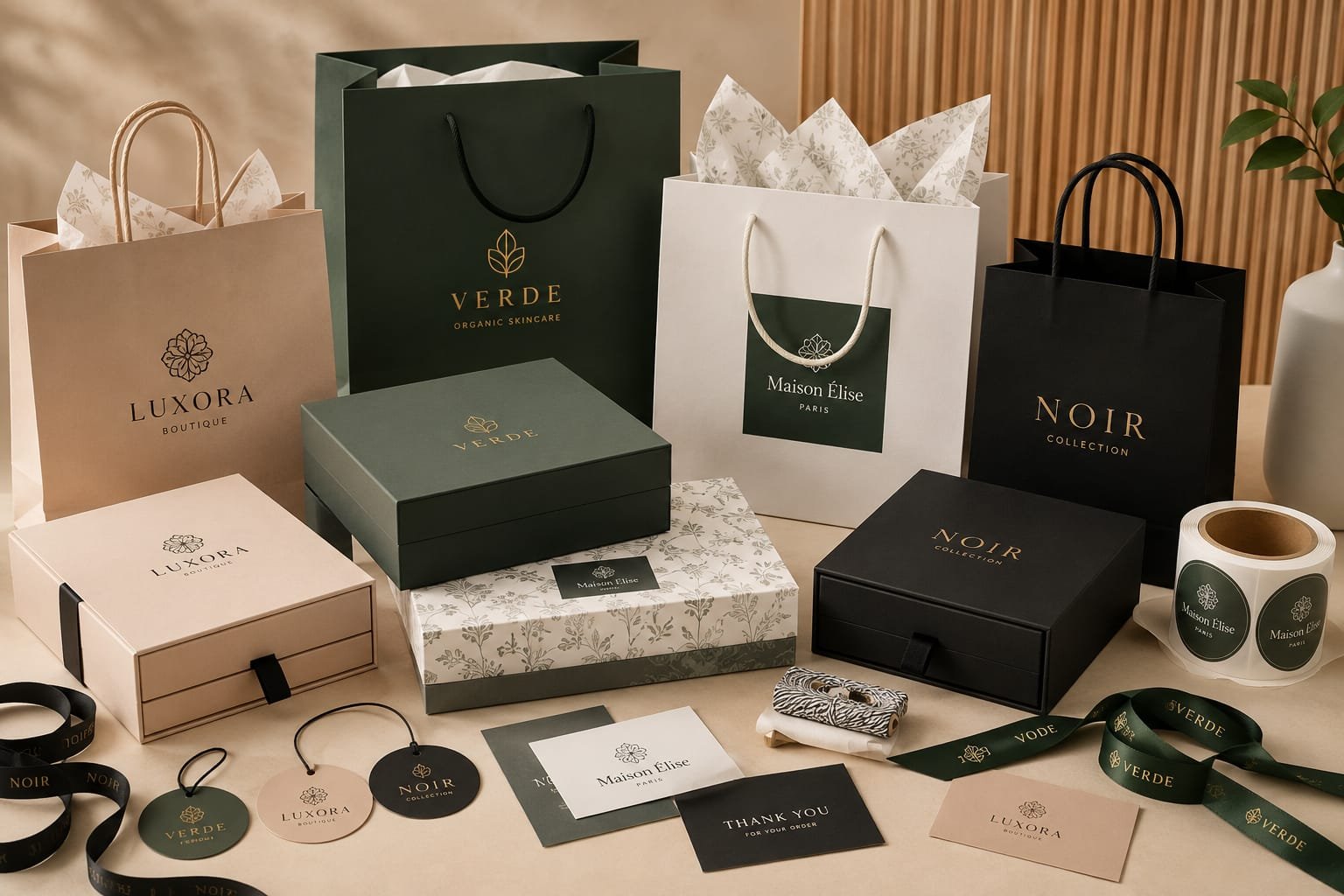
Kraft paper has become one of the most popular packaging materials for small and mid-sized businesses, and for good reason. Its natural, slightly textured look pairs well with minimalist branding, and it prints cleanly with both single-colour and full-colour designs. It is also one of the more affordable materials available, which makes it a strong choice for businesses that need to keep per-unit packaging costs low without sacrificing a polished appearance.
Kraft paper works particularly well for bakeries, coffee brands, and skincare businesses that want an organic, handcrafted feel. It is less suited to products that need a glossy, high-shine finish or extremely vibrant colour reproduction, since the natural brown base of the paper slightly mutes printed colours compared to white stock.
Coated Cardstock: Sharper Colours, More Structure
Coated cardstock is a heavier, smoother material that produces significantly sharper and more vibrant printed colours than kraft paper. It also holds its shape better, which makes it a strong choice for rigid boxes, premium tags, and business cards where a bit of stiffness communicates quality. The tradeoff is cost, coated cardstock typically costs more per unit than kraft paper, and the glossy or matte coating options each carry a slightly different price point.
- Glossy coating: vibrant colours, reflective finish, ideal for bold branded designs
- Matte coating: soft, non-reflective finish, popular for premium and minimalist branding
- Textured cardstock: adds tactile detail, often used for high-end business cards and invitations
For businesses in fashion, cosmetics, or corporate gifting where the packaging needs to feel closer to retail-shelf quality, coated cardstock is usually worth the additional cost. The visual difference between a kraft box and a coated, printed box is immediately noticeable to most customers.
Vinyl and Polypropylene: Built for Durability
For stickers, labels, and outdoor promotional materials, paper-based stock is often the wrong choice entirely. Vinyl and polypropylene materials are water-resistant, tear-resistant, and hold up far better against handling, moisture, and sunlight. These materials are commonly used for product labels on skincare, food, and beverage items where the label needs to survive condensation, refrigeration, or repeated handling without peeling or fading.
The cost of vinyl and polypropylene is higher than standard paper stock, but for products where label durability directly affects the customer's perception of quality, or where regulatory labelling needs to remain legible for the life of the product, the added durability easily justifies the cost difference.
Fabric and Woven Materials: For Tags and Labels
Clothing brands frequently move beyond paper hang tags toward woven fabric labels for a more premium, boutique feel. Fabric tags are stitched directly into garments or attached with string through a paper hang tag, and they tend to survive washing and handling far better than printed paper. Woven labels are more expensive to produce than printed paper tags, and they typically require slightly longer production timelines because of the weaving process, but for brands trying to establish a premium identity, the tactile quality of a woven label is difficult to replicate with paper.
Matching Material to Budget and Order Volume
Material selection is not only about the finished look, it is also about how your order volume affects overall cost. Some materials have a higher upfront cost but drop significantly in per-unit price as order quantities increase, while others stay relatively flat regardless of volume. If you are testing a new product line, it often makes sense to start with a more affordable material like kraft paper or standard cardstock, validate the design and demand, and then move to a premium material like coated cardstock or woven fabric once you are placing consistent bulk orders.
- Testing a new product: start with affordable, flexible materials in small quantities
- Scaling an existing product: move to premium materials once order volume justifies the cost
- Products needing durability: prioritise vinyl, polypropylene, or coated stock over standard paper
- Budget-conscious branding: kraft paper offers the best balance of cost and visual appeal
Working With Your Printing Partner
A good printing partner will walk you through material samples before you commit to a large order, rather than simply printing based on a description over chat. If durability, colour accuracy, or a specific finish matters for your product, ask for physical samples of the material options before finalising your order. This is especially important for businesses ordering in bulk, since a material mismatch discovered after a large production run is a costly mistake to fix.
Whether you are printing packaging boxes, stickers, hang tags, or promotional materials, the right material choice comes down to matching durability requirements, visual goals, and budget to the specific product you are packaging or labelling. Getting this right the first time saves both money and reprint delays down the line.
If you are unsure which material fits your product, our team can recommend options and send samples before you place a bulk order.
Ready to Get Started?
Share your requirements with our team on WhatsApp and get a fast, no-obligation quote for your order.
Get Quote on WhatsApp